

4crowns casino Plinko
Introduction
I have reviewed plenty of instant-win formats, crash-style products and classic reel releases over the years, and Plinko remains one of the easiest to understand at first glance yet one of the most misunderstood in practice. On the 4crowns casino Plinko page, the concept looks almost disarmingly simple: you drop a ball from the top of a pegged board, it bounces left and right, and eventually lands in a multiplier slot at the bottom. That is the whole visible structure. What matters, however, is everything hidden behind that simplicity: pace, distribution of outcomes, the role of risk settings, and the way short sessions can feel very different from long ones.
That is exactly why Plinko keeps drawing attention. It strips away the visual noise of many online casino products and leaves the player face to face with probability. There are no paylines to decode, no bonus rounds to wait for, and no elaborate theme trying to distract from the maths. In 4crowns casino Plinko, the appeal comes from directness. You choose a stake, often select the number of rows and a risk level, release the ball, and get an immediate result. For some players that clarity is refreshing. For others, it can be harsher than it first appears.
In this article, I will focus strictly on the Plinko experience itself: how it works, why the session rhythm feels so specific, where the real tension comes from, and what a player in the United Kingdom should realistically expect before pressing the first drop button.
What Plinko is and why it attracts so much attention
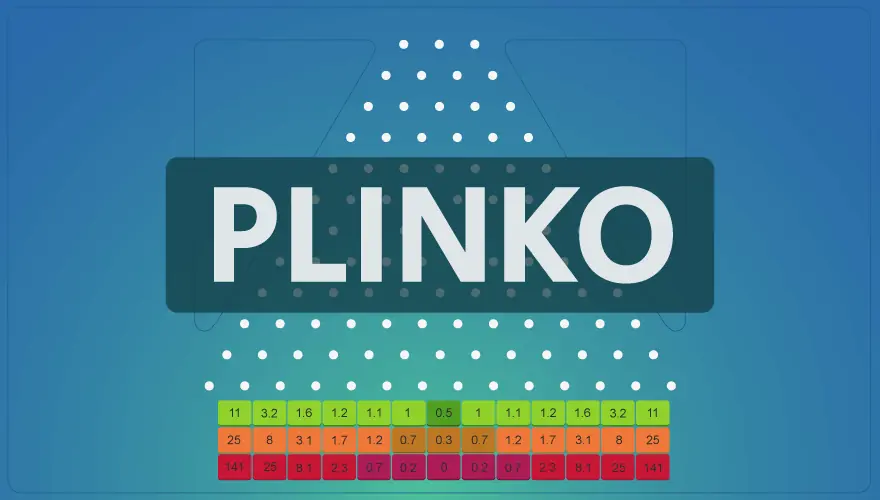
Plinko is a probability-driven casino game built around a vertical board filled with pins. A ball falls from the top, collides with those pins, and changes direction repeatedly until it reaches one of the payout cells at the bottom. Each bottom slot is tied to a multiplier. Lower multipliers tend to sit near the centre, while the highest returns are usually pushed toward the far edges, where the ball lands less often.
The reason this format became so noticeable is not just visibility on streaming platforms or its recognisable design. The real reason is that it gives players a clean visual representation of randomness. In many other compare games options at 4crowns Casino, the random process happens behind the scenes and is only shown through reels, cards or animations. Plinko makes uncertainty feel physical. You can watch each deflection, and that creates a strong illusion that the result is unfolding in front of you in real time rather than being delivered as a finished outcome.
That distinction matters. A lot of players are drawn to Plinko because it feels transparent. You are not asked to follow complicated symbols or learn several side rules. At 4crowns casino, the Plinko page is likely to appeal especially to users who want a fast, low-friction session. You open the game, understand the objective in seconds, and start testing different settings almost immediately.
There is another reason for its visibility: Plinko compresses suspense into a very short window. A spin on a slot can be over quickly, but the logic often depends on combinations and secondary outcomes. In Plinko, the journey itself is the event. A two-second bounce sequence can feel longer than it is because every collision appears meaningful. That visual tension is one of the format’s strongest hooks.
How the Plinko mechanics actually work
At surface level, the mechanics are straightforward. You set your stake, choose a risk level if the interface offers one, sometimes select the number of rows, and launch the ball. The ball then moves downward through a grid of pegs. At each impact it shifts left or right until it reaches the bottom. The multiplier in the landing position determines the return for that round.
What matters in practice is that Plinko is not about “aim” in the way some new players imagine. You may choose the release point in some versions, but the core logic remains random. The path is generated through many tiny binary shifts, and over time the most common landings tend to cluster around the centre of the board. That is why central multipliers are usually modest, while the dramatic numbers sit at the edges.
Risk settings change how the payout map is structured. A low-risk mode generally flattens the distribution: more common small returns, fewer extreme outcomes, and a session that feels steadier. A high-risk mode usually widens the gap between ordinary results and rare top multipliers. In plain terms, you get more empty or low-return drops in exchange for the possibility of a very large hit.
The number of rows can also influence the experience. More rows usually mean more collisions, a more layered route to the bottom, and often a broader spread of possible results. Fewer rows tend to produce a shorter visual sequence and a tighter feel. This does not turn Plinko into a skill game, but it does alter how the randomness is expressed and how volatile the session can feel from one setup to another.
| Core element | What it does | What it means for the player |
|---|---|---|
| Stake size | Sets the value of each drop | Directly affects bankroll pressure during fast sessions |
| Risk level | Changes payout distribution | Can shift the session from steady and modest to sharp and swingy |
| Rows | Influence path length and board structure | Changes how the drop feels and how outcomes are spread |
| Multiplier slots | Determine the final return | High values are usually rare and often placed at the edges |
One practical observation I always make with Plinko is this: the board looks democratic, but the payout logic is not. Visually, every slot is there in plain sight. Statistically, they are not equal destinations. That gap between what the eye sees and what the probabilities favour is central to understanding the format.
Where the excitement comes from and how the pace feels in a real session
Plinko has a very specific rhythm. It is fast, but not in the same way as a slot on turbo spin. The speed comes from short decision loops. You do not spend much time interpreting the screen. You choose settings, drop the ball, read the result, and repeat. That cycle can become extremely rapid, which is why bankroll management matters more here than some newcomers expect.
The interest is built on a mix of repetition and variation. The repeated action is always the same: release and watch. The variation comes from the path and the multiplier. That combination is deceptively effective. Because each round is structurally similar, the player quickly settles into a rhythm. Because the route keeps changing, the brain keeps treating each drop as a fresh event. For a closer look at the games library, best 4crowns Casino real money casino games for UK players sorts the titles by theme and pace.
In practical terms, Plinko often feels more “continuous” than a slot. A slot session has natural interruptions: checking symbols, waiting for cascades, watching a feature, reading a near miss. Plinko removes most of those pauses. The result is a cleaner but more relentless loop. If you are playing on 4crowns casino Plinko with a higher number of rounds in quick succession, the session can accelerate before you fully register how many bets have already been placed.
That is one of the more important realities of the format. The game seems light because the interface is simple. Yet simple interfaces often speed up behaviour. A busy slot can slow a player down through visual clutter. Plinko does the opposite. It gets out of the way.
A second observation worth remembering: Plinko often feels calmer on the screen than it does in your bankroll history. The board animation is neat and minimal, but the financial pattern behind it can still be jagged, especially once higher risk settings are involved.
How risky Plinko really is and who it tends to suit
Plinko can range from relatively controlled to highly aggressive depending on configuration. That is why broad statements about whether it is “safe” or “dangerous” are not very useful. The better question is: what version of Plinko are you choosing to play?
On lower risk settings, the game can suit players who prefer frequent small returns and want to stretch a session without chasing dramatic multipliers. This does not remove the house edge or guarantee stability, but it usually creates a more even flow. On higher settings, Plinko becomes much more suitable for players who accept long stretches of weak outcomes in exchange for a shot at a standout hit.
I would divide the likely audience into three broad groups:
Players who value simplicity. If you do not want to learn paylines, bonus rules or side bets, Plinko is accessible almost immediately.
Players who enjoy fast feedback. Each round resolves quickly, so the game suits people who prefer immediate outcome cycles.
Players comfortable with variance. Even when the interface looks harmless, results can swing sharply, especially in high-risk mode.
Who may not enjoy it? Players who want narrative depth, layered bonus play, or the sense of progression that many slots provide. Plinko is more abstract. It is also not ideal for those who are easily pulled into rapid repetition. The speed of decisions can be a drawback if you prefer games that naturally create pauses between wagers.
What players should understand about probabilities, outcomes and session reality
The biggest misconception around Plinko is that visible movement makes the result easier to “read.” In reality, the bouncing ball does not give the player predictive control. What it gives is a visual model of distribution. Most outcomes tend to concentrate around the middle because repeated left-right decisions statistically pull results toward central zones more often than extreme edges.
This means two things for a real session. First, the highest multipliers are rare by design. Their visibility does not imply accessibility. Second, medium and low returns often carry the session. If you enter Plinko expecting frequent contact with top-end multipliers, the experience will likely feel harsher than expected.
Before launching 4crowns casino Plinko, I would keep these practical points in mind:
Short-term runs can be misleading. A few good drops early on can make a setup seem more generous than it is.
High risk changes the emotional profile of the session. You are not just increasing upside; you are also increasing the likelihood of thin stretches.
Fast rounds magnify bankroll decisions. A stake that seems modest can add up quickly over many drops.
Demos can help with rhythm, not with forecasting. They are useful for understanding pace and interface, but they do not reveal a pattern you can exploit.
A third memorable point: Plinko is one of the few casino formats where players can confuse visibility with fairness. Because you watch the ball travel, the process feels open. But openness of presentation is not the same as influence over the result. Understanding that difference helps keep expectations realistic.
How Plinko differs from slots and other casino game formats
The clearest difference between Plinko and classic online slots is structural. Slots are built around symbol combinations, reel behaviour and often layered bonus design. Plinko is built around a single event: the fall of the ball. There is no need to wait for a scatter sequence or understand a paytable full of icon values. The input is simpler and the output is more direct.
Compared with complete 4crowns Casino roulette review, Plinko shares the idea of a single resolved outcome but feels more animated and less binary in presentation. Compared with crash games, it offers less decision pressure during the round itself because there is usually no cash-out timing. Compared with blackjack or baccarat, it removes strategic framing almost entirely and leans much more heavily on automated probability.
For many players at 4 crowns casino, this is exactly the point. Plinko occupies a middle space between passive and active formats. You do make setup choices, especially around risk and stake, but once the ball drops, the event plays out on its own. That balance is part of its appeal.
| Format | Main driver of interest | Typical player experience |
|---|---|---|
| Plinko | Visual probability and fast resolution | Quick, repetitive, settings-driven |
| Classic slots | Features, symbols, bonus rounds | More layered, often theme-heavy |
| Roulette | Single-number or group betting | Clear odds structure, less visual journey |
| Crash games | Cash-out timing pressure | More reactive and decision-sensitive |
What this means in practice is simple. If you want a game with story, features and evolving rounds, Plinko may feel too stripped back. If you want immediacy, clean logic and a strong sense of momentum, it can be a much better fit than a standard slot session.
Practical strengths and weak spots of the format
Plinko has several genuine advantages. The first is clarity. I can show the board to a new player and explain the core loop in under a minute. The second is pace. Results arrive quickly without the clutter that often slows down other products. The third is configurability. Risk levels and row settings can materially change the feel of the session, which gives the player more control over style even if not over individual outcomes.
It also has clear limitations. The simplicity that makes it accessible can make it repetitive. There is only so much variation in a format built around repeated drops. If a player enjoys discovery, bonus anticipation or theme immersion, Plinko can start to feel functionally bare after a while. Another weak point is perception. Because the board looks simple and almost playful, some users underestimate how quickly losses can accumulate in a fast sequence of rounds.
There is also a more subtle issue. Plinko can create stronger emotional reactions to near-edge landings than many players expect. Watching a ball bounce toward a high multiplier and then drift back into a low central slot can feel more personal than missing a line hit on a slot, even though both are random events. The visual path intensifies the sense of “almost,” and that can affect decision-making.
Strong side: easy to understand, quick to start, little friction between rounds.
Strong side: risk settings can tailor the session style more clearly than in many reel-based products.
Weak side: repetitive structure may not hold attention for players who want more depth.
Weak side: high-speed play can lead to poor bankroll awareness.
What to check before starting a session on 4crowns casino Plinko
Before starting, I would focus on setup rather than emotion. Plinko rewards clear expectations. Decide what kind of session you want: longer and steadier, or shorter and more aggressive. That choice should guide your risk level and stake size.
It is also worth checking the available settings carefully. Not every version of Plinko is configured in exactly the same way. Some offer more row options, some present different multiplier maps, and some make the contrast between low and high risk much sharper. A player who ignores those details may think they are playing “the same Plinko” when in fact the session profile has changed significantly.
If demo play is available, I consider it useful for one specific purpose: learning tempo. It helps you understand how quickly rounds resolve, how the board is laid out, and whether the rhythm suits your style. What it should not be used for is building confidence in a pattern. Plinko does not become predictable because you watched twenty or fifty drops.
Finally, set a practical boundary before you begin. This advice is not unique to Plinko, but the format makes it more important. Because each round is so short, it is easy to drift from testing the game into chasing a particular multiplier. The cleaner the interface, the more discipline has to come from the player rather than the screen.
Final verdict
4crowns casino Plinko offers a very specific kind of casino experience: fast, visually transparent, mechanically simple and heavily shaped by probability distribution rather than by layered features. Its strongest quality is clarity. You always know what is happening, and you can feel the effect of different risk settings more directly than in many other online casino formats. That makes it attractive for players who want immediate action and a stripped-back structure.
Its biggest caution point is equally clear. The game looks lighter than it can actually be. The board is simple, the rounds are short, and the interaction is minimal, but those same qualities can speed up spending and intensify swings, especially in higher-risk configurations. The top multipliers are part of the appeal, yet they are also the least common outcomes, and players who forget that can misread the entire format.
My honest conclusion is that Plinko is worth trying if you like direct probability-based play, quick results and adjustable session style. It is less suitable if you want deep bonus design, strategic decision-making or a slower, more textured rhythm. In other words, Plinko does not try to be everything. It offers a clean test of how comfortable you are with fast repetition, visible randomness and the tension between simple rules and uneven outcomes. For the right player, that is exactly the attraction. For the wrong one, it can feel too bare or too sharp very quickly.
FAQ
How does Plinko work on the game screen?
A ball is released from the top of the Plinko board and drops through rows of pegs. It lands in a scoring zone that corresponds to a multiplier. The result is calculated instantly after the ball settles.
Before launching a real-money round, what should be checked in the Plinko controls?
Check the mode (demo or real-money play), confirm the stake or wager setting, and watch the multiplier display for each zone. If a bonus is active, review how it applies to the round before starting.
What is the difference between demo mode and real-money play for Plinko?
Demo mode uses virtual balance and is designed for practice without affecting cash. Real-money play uses your account balance and any winnings or losses are reflected in your casino account.
Can Plinko run on mobile through the casino website or does it require an app?
Plinko is available for mobile play through the casino website interface on supported browsers. For smoother access, the mobile casino app may be available as well, depending on device and region.
What payment or withdrawal considerations apply after playing Plinko at the official site?
Withdrawal availability depends on account verification and the casino’s cashier rules. Game winnings are reflected in your account balance, but any withdrawal limits and payment method requirements are applied at the cashier stage.